The global home fragrance market is projected to reach $15.8 billion by 2027, with reed diffusers representing one of the fastest-growing segments. As consumers become increasingly environmentally conscious, sustainable packaging has shifted from a nice-to-have to a competitive necessity.
1. The Rise of Plastic-Free Packaging
Major European retailers have begun banning single-use plastics in home fragrance products. This regulatory pressure, combined with consumer demand, has accelerated the adoption of all-wood packaging solutions for reed diffusers.
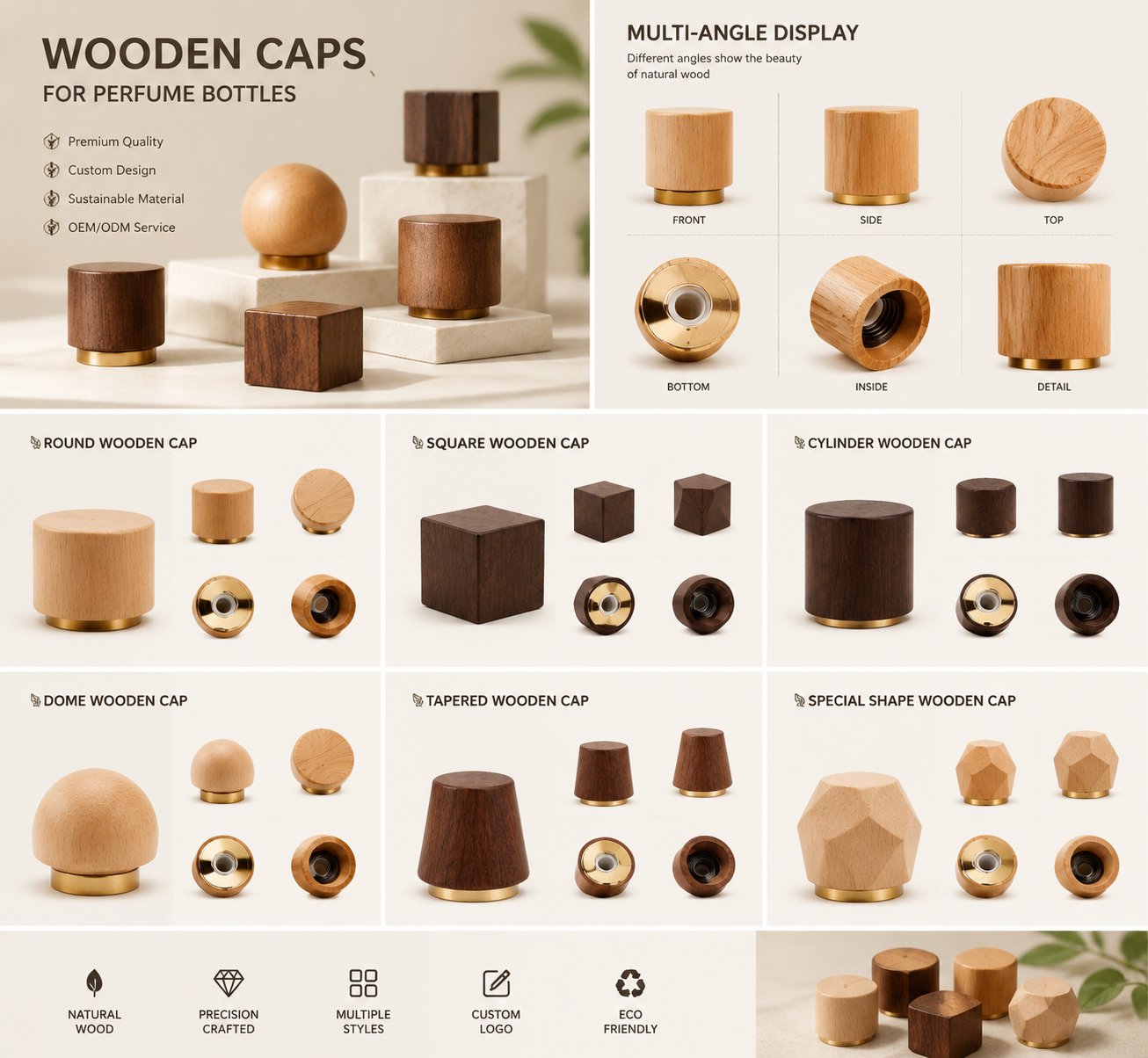
Wood stoppers and trays now serve dual purposes: functional sealing and aesthetic presentation. Brands like Diptyque and Jo Malone have led this transition, using beech and bamboo components to replace traditional plastic caps.
2. FSC Certification as a Brand Asset
FSC (Forest Stewardship Council) certification is no longer just a procurement checkbox. It has become a marketing tool that brands prominently display on packaging and in advertising campaigns.
Key benefits:
- Access to EU and North American markets with strict timber traceability requirements
- Premium pricing power: FSC-certified products command 15-20% higher retail prices
- Brand trust: 73% of millennials prefer sustainably sourced products
3. Minimalist Design Language
The 'less is more' aesthetic dominates 2025 diffuser packaging trends. Clean lines, unadorned wood surfaces, and subtle branding create a sense of understated luxury that appeals to high-end consumers.
Natural wood grain becomes the primary visual element, eliminating the need for printed labels or stickers. Laser engraving directly onto wood surfaces provides a premium, permanent branding solution.
4. Material Innovation: Beyond Traditional Woods
Bamboo, with its rapid growth cycle (3-5 years vs 50+ years for hardwoods), is gaining traction as a sustainable alternative. Rubber wood, a byproduct of latex production, offers excellent value at 40% lower cost than beech.
5. Conclusion
Sustainable reed diffuser packaging is not just an ethical choice — it is a business imperative. Brands that adopt FSC-certified wood components, minimalist design, and plastic-reduction strategies will capture the growing segment of environmentally conscious consumers while meeting increasingly strict regulatory requirements.