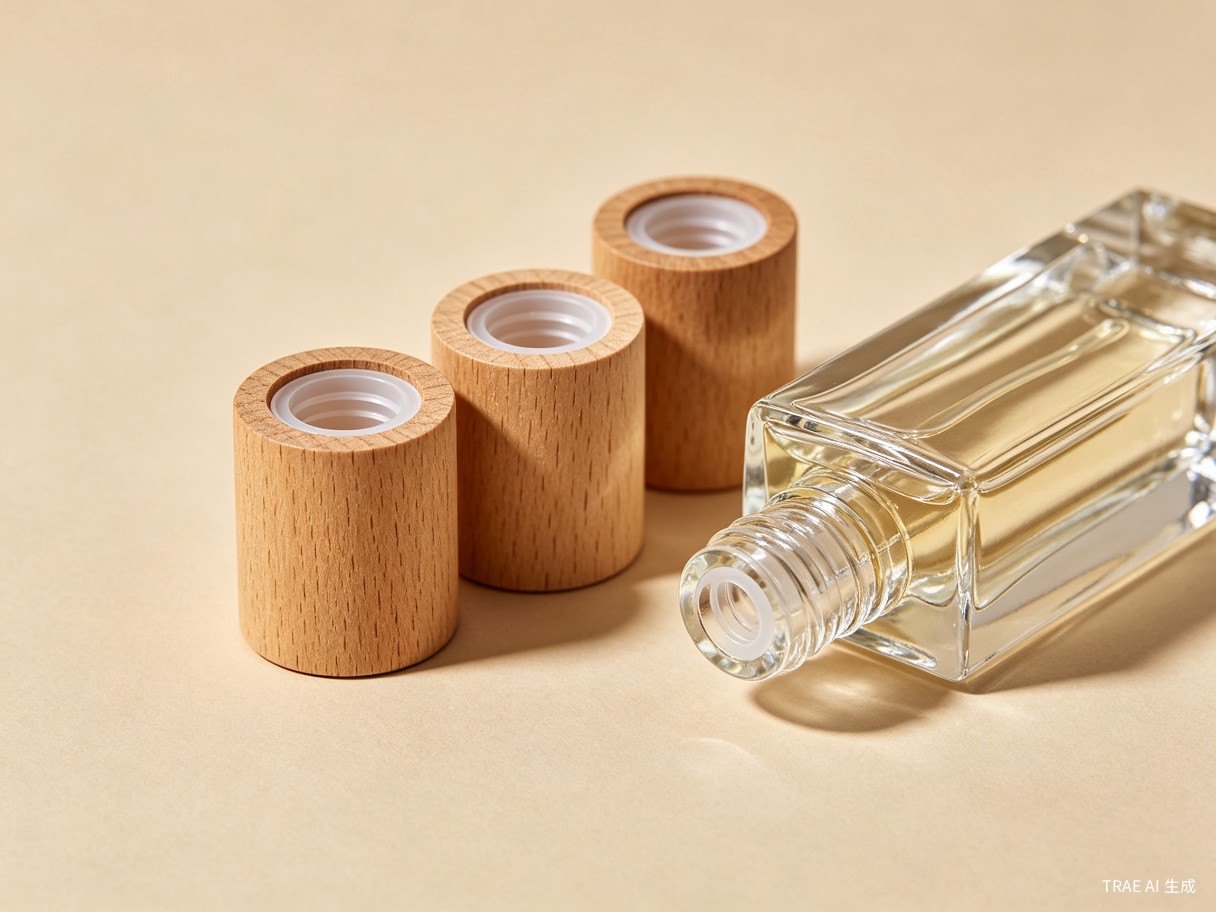
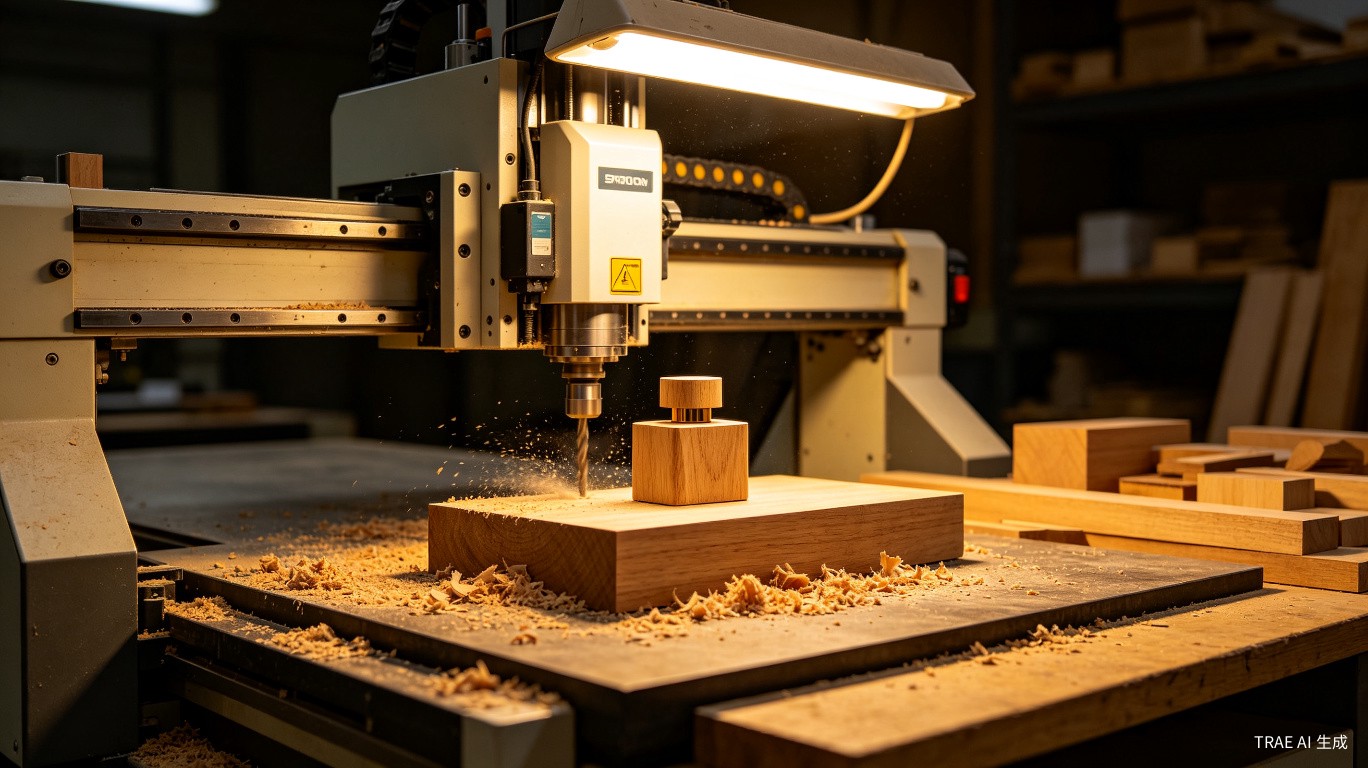
Quality control is the invisible line between a successful product launch and expensive rework. For wood packaging — where natural material variation, machining precision, and finishing chemistry all intersect — the risk of defects is inherently higher than with plastic or metal alternatives.
This guide identifies the 12 most common wood packaging defects, provides visual identifiers for each, and recommends acceptable quality thresholds using the industry-standard AQL (Acceptable Quality Level) framework.
Understanding AQL for Wood Packaging
AQL is a statistical sampling method used by importers worldwide. For a typical order of 5,000 units:
- AQL 0.4 — Critical defects: zero tolerance (e.g., sharp edges that cut consumers)
- AQL 1.5 — Major defects: must not exceed 1.5% of units inspected (e.g., wrong thread size, visible cracks)
- AQL 2.5 — Minor defects: up to 2.5% acceptable for cosmetic issues (e.g., slight grain variation, faint machining marks)
Most fragrance brands set AQL 1.5 for major defects and AQL 2.5 for minor defects. We recommend establishing these thresholds in your purchase order before production begins.
1. Hairline Cracks (Major)
Cause: Rapid moisture changes during finishing or exposure during shipping. Most common in walnut and rosewood due to their higher oil content.
Identification: Fine lines visible under 3x magnification, often running parallel to grain direction. Run a fingernail across the surface — if it catches, the crack is deep enough to cause failure.
AQL threshold: 0% — reject all cracked units.
TUOCHEN prevention: Pre-finishing moisture stabilization (48-hour acclimation in controlled humidity), followed by slow-curing water-based finishes.
2. Thread Tolerance Error (Critical)
Cause: CNC machine calibration drift or worn cutting tools.
Identification: The cap screws too loosely (rattles on the bottle) or too tightly (gets stuck). Test on your actual bottle neck, not a factory sample neck.
AQL threshold: 0% — one loose thread cap in a thousand is too many.
TUOCHEN prevention: Daily CNC calibration checks against master gauges; thread tolerance maintained at ±0.03mm across all production runs.
3. Finish Discoloration (Major)
Cause: Inconsistent stain mixing, temperature variation in the finishing oven, or wood porosity differences within the same batch.
Identification: Compare 3-5 units side-by-side under standard retail lighting (6500K). Look for yellow vs. brown shifts, spotty coverage, or "bleeding" around grain pores.
AQL threshold: 1.5% — visible to the naked eye at arm's length.
TUOCHEN prevention: Digital color measurement (spectrophotometer) for every stain batch; 3-point color reference on all production color chips.
4. Water Stains / Ring Marks (Major)
Cause: Wood exposed to condensation during storage or shipping, especially problematic for unsealed natural finishes.
Identification: Circular or irregular lighter/darker patches on the surface. Rub with a clean cloth — water-stained areas may feel slightly rough.
AQL threshold: 1.5%
TUOCHEN prevention: Climate-controlled warehouse storage (45-55% RH); sealed plastic bag packaging with silica gel desiccant for sea freight shipments.
5. Gap at Closure Surface (Major)
Cause: Excessive CNC machining tolerance or lid warping during finishing.
Identification: Place the cap/lid on a flat glass surface. Insert a 0.05mm feeler gauge between the wood and glass at each corner. If it slides through, the surface is not flat.
AQL threshold: 0% for perfume caps (affects sealing); 2.5% for candle lids.
6. Exposed Glue / Joint Failure (Critical for Gift Boxes)
Cause: Insufficient glue application, poor joint preparation, or assembly in low-humidity conditions.
Identification: Tug at box corners — any movement or squeaking indicates a weak joint. Check interior corners for visible glue squeeze-out that wasn't cleaned.
AQL threshold: 0% — glue joints must pass a 5kg pull test.
7. Sanding Scratches (Minor / Major)
Cause: Skipped sanding grits (e.g., jumping from 180 to 400 without 240/320), or contaminated sanding belts.
Identification: Hold the piece at an angle under strong light. Thin parallel lines across the surface indicate inadequate sanding progression.
AQL threshold: 2.5% for matte finishes (minor); 1.5% for gloss finishes (visible under clear coat).
TUOCHEN prevention: Mandatory 4-step sanding sequence (180 → 240 → 320 → 400 grit); daily sanding belt replacement schedule.
8. Logo Engraving Defects (Major)
Cause: Misaligned fixture, insufficient laser power, or operator error during setup.
Identification: Check for: (a) off-center logo placement, (b) inconsistent engraving depth, (c) charring/burning around edges, (d) partial missing letters.
AQL threshold: 1.5%
TUOCHEN prevention: First-piece approval for every new logo setup; vision system alignment check before each engraving batch.
9. Wood Knots in Critical Areas (Major)
Cause: Insufficiently selective raw material sorting. Knots create weak points that can cause cracking or finish adhesion failure.
Identification: Look for dark brown circular patches — knots. Reject units where knots fall within 10mm of edges or functional surfaces (e.g., cap threading area).
AQL threshold: 0% for functional areas; 2.5% for cosmetic-only surfaces.
10. Finish Chipping on Edges (Major)
Cause: Edges that were not properly rounded before finishing, or lacquer that is too brittle.
Identification: Inspect all sharp edges under magnification. Run a fingertip along edges after light pressure — any flaking or peeling indicates a finish that will fail in consumer use.
AQL threshold: 1.5%
TUOCHEN prevention: Minimum 0.3mm edge rounding on all cap and lid edges; flexible acrylic lacquer for high-wear components.
11. Silicone Seal Ring Misalignment (Critical for Candles)
Cause: Incorrect groove machining dimension or seal ring installation error.
Identification: Place the lid on a matching jar. Inspect the seal ring gap all around with a feeler gauge — variation greater than 0.1mm indicates misalignment.
AQL threshold: 0%
12. Incorrect Dimensions (Critical)
Cause: Incorrect CNC programming or post-finishing dimension change (wood swells 1-2% after finishing).
Identification: Use digital calipers to measure 5% of units across all critical dimensions: height, diameter, wall thickness. Reject any unit outside your specified tolerance (typically ±0.1mm).
AQL threshold: 0%
Recommended Pre-Shipment Inspection Procedure
- 1. Random select using ISO 2859-1 (AQL 1.5 major / 2.5 minor)
- 2. Functional test — fit caps on actual bottle samples, close lids on actual jars
- 3. Visual inspection under 6500K light at 30cm distance (consumer viewing conditions)
- 4. Dimension check with digital calipers and feeler gauges
- 5. Record defects by category — if AQL is exceeded, hold shipment and issue corrective action request
Common QC Mistakes to Avoid
Inspecting too few units: With 5,000 units, AQL 1.5 requires a sample size of 200. Inspecting only 20-30 units gives no meaningful data.
Accepting factory photos instead of third-party inspection: Factories show you their best samples. Third-party SGS or Intertek inspection eliminates this bias.
Not including QC standards in the PO: Verbal agreements about quality don't hold up when a $50,000 shipment is at stake. Put your AQL thresholds in writing.
Conclusion
Preventing wood packaging defects is significantly cheaper than correcting them after shipment. By understanding these 12 defect types, establishing clear AQL thresholds in your purchase order, and conducting rigorous pre-shipment inspection, you can maintain 98%+ first-pass quality rates — protecting both your budget and your brand reputation.
TUOCHEN provides a complete QC inspection report with photos for every shipment, and invites third-party inspection partners (SGS, Intertek) on-site during production. Contact us to discuss a customized QC plan for your order.

Written by
TUOCHEN Editorial
Technical content reviewed by our production engineering team in Guangdong. We have been machining custom wood closures and boxes for fragrance brands since 2012, and we write from drawings and production data rather than from market reports. See the factory.
Need this made to your specification?
We produce custom wooden caps, diffuser stoppers, candle lids and gift boxes from 500 pcs, with FSC certified timber and samples in 7–10 days.